FX Options Insights 13/1/26
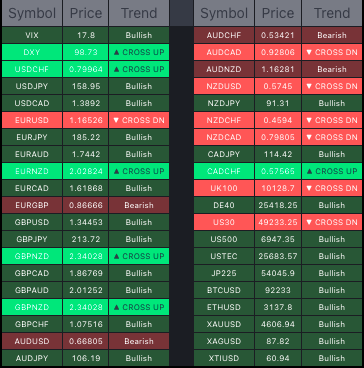
The foreign exchange market is currently navigating a sea of potential geopolitical and U.S. domestic risks, yet options and their volatility risk premiums remain surprisingly calm. Traders had anticipated that Tuesday's U.S. CPI data might shake things up, but it turned out to be a non-event. The U.S. dollar (USD), while off its recent recovery highs, is under some pressure due to the investigation involving Federal Reserve Chair Jerome Powell. However, unless an indictment emerges, the greenback isn’t expected to lose much ground from this.
Meanwhile, USD/JPY is stealing the spotlight as speculation about snap elections in Japan, possibly in early or mid-February, pushes the yen (JPY) toward its weakest levels since the 2024 intervention. This has sparked concerns about a potential repeat of intervention measures. Demand for JPY call options—used to hedge against intervention risks—is keeping the downside strike premiums elevated compared to the upside, even as spot prices show some firmness. These dynamics have also kept implied volatility supported, with one-month volatility bouncing back to 8.4 from Friday’s lows of 7.4 after the U.S. jobs report.
On the EUR/USD front, both historic and implied volatilities are at rock-bottom levels compared to other USD/G10 currency pairs, reflecting the pair's subdued and range-bound behavior. Traders employing short volatility strategies, such as range binaries, continue to see solid returns in this low-volatility environment.
As for AUD/USD, implied volatility has eased further, with spot prices hovering near the 0.6700 mark. One-month implied volatility has now dipped to 7.5, following a rebound from multi-year lows of 6.5 to a recent high of 8.2 post-holidays. Upside barriers tied to AUD calls/USD puts are keeping hopes alive for Aussie dollar bulls at a relatively low cost.
Disclaimer: The material provided is for information purposes only and should not be considered as investment advice. The views, information, or opinions expressed in the text belong solely to the author, and not to the author’s employer, organization, committee or other group or individual or company.
Past performance is not indicative of future results.
High Risk Warning: CFDs are complex instruments and come with a high risk of losing money rapidly due to leverage. 69% and 73% of retail investor accounts lose money when trading CFDs with Tickmill UK Ltd and Tickmill Europe Ltd respectively. You should consider whether you understand how CFDs work and whether you can afford to take the high risk of losing your money.
Futures and Options: Trading futures and options on margin carries a high degree of risk and may result in losses exceeding your initial investment. These products are not suitable for all investors. Ensure you fully understand the risks and take appropriate care to manage your risk.
Patrick has been involved in the financial markets for well over a decade as a self-educated professional trader and money manager. Flitting between the roles of market commentator, analyst and mentor, Patrick has improved the technical skills and psychological stance of literally hundreds of traders – coaching them to become savvy market operators!